A St. Louis Christian school perspective on when it’s time for change
Most parents don’t decide overnight that their child needs a different school. The realization creeps in quietly. It sits in the back of the mind during school pickup. It rises slowly during bedtime tears about tomorrow’s homework. It echoes in the tension you feel when your child’s joy for learning seems to dim a little more each month.
No one starts out thinking they will choose a private school alternative.
No one imagines pulling their child out midyear or starting over somewhere new.
No one plans to become the kind of parent who researches microschools at 10 PM.
But love does strange things to us.
It makes us brave enough to consider the possibility that… maybe the problem isn’t your child. Maybe the problem is the environment around them.
At Agape Adventure Academy—a St. Louis Christian school rooted in nature-based, classical, whole-child learning—we meet parents all the time who say the same sentence in different words: “I think my child needs something different… but I didn’t realize it until now.”
If you are reading this, that quiet suspicion may already be stirring inside you.
Here are the signs many parents notice just before finding their way to a microschool environment.

1. Your child is exhausted—not just tired—by the end of the day
Every school day drains energy. That’s normal. But there is a difference between healthy tiredness and soul-level exhaustion.
Some children come home from school scattered, frazzled, overstimulated, emotionally raw. Their behavior at home becomes unpredictable because their nervous system has been in “survival mode” all day.
Parents often describe it this way:
“I get the leftovers. The good part of my child goes to school, and I get what’s left.”
When a school environment consistently empties your child without refilling them, it is a sign their system is overwhelmed—not that they’re weak.
A microschool with small classes, calm rhythms, and outdoor learning restores what traditional classrooms often drain: peace.
⸻
2. Your child used to love learning… and now they don’t
This is one of the clearest signs. A child who once devoured books, asked endless questions, or explored the outdoors with joy suddenly becomes indifferent—or worse, resistant—to schoolwork. A spark goes out. This doesn’t happen because the child changed. It happens because the environment stopped matching their God-given design. Traditional schooling can unintentionally force children into molds that were never meant for them.
When parents visit our St. Louis Christian school, they often whisper, “I want to see that spark again.” And they do—because the right environment reignites it.

⸻
3. Mornings or Sundays become filled with dread
You can tell everything by what happens during the morning routine.
If your child begins to show signs of stress on Sunday night, or if weekday mornings feel like a battle, it may not be “just a phase.” It may be a warning. Tears, stomachaches, nausea, withdrawal, irritability—these aren’t signs of weakness. They are signs that the environment is not emotionally safe for your child’s nervous system. Children shouldn’t dread learning. They shouldn’t fear social pressure. They shouldn’t brace themselves for seven hours of strain. Children thrive in environments where they feel secure, known, and loved—hallmarks of a private school alternative with a smaller, more nurturing community.
⸻
4. Your child is becoming someone you don’t recognize
Sometimes the greatest alarm isn’t academic—it’s emotional. A confident child becomes timid. A gentle child becomes angry. A joyful child becomes flat. A curious child becomes avoidant. A resilient child becomes easily overwhelmed.
Parents know their children better than any test, checklist, or report card. If your spirit senses something is off, it probably is. Often, once children move into a microschool environment with slower rhythms and stronger relationships, parents say, “I have my child back.”
⸻
5. Your child needs more movement, nature, or freedom than a traditional classroom allows
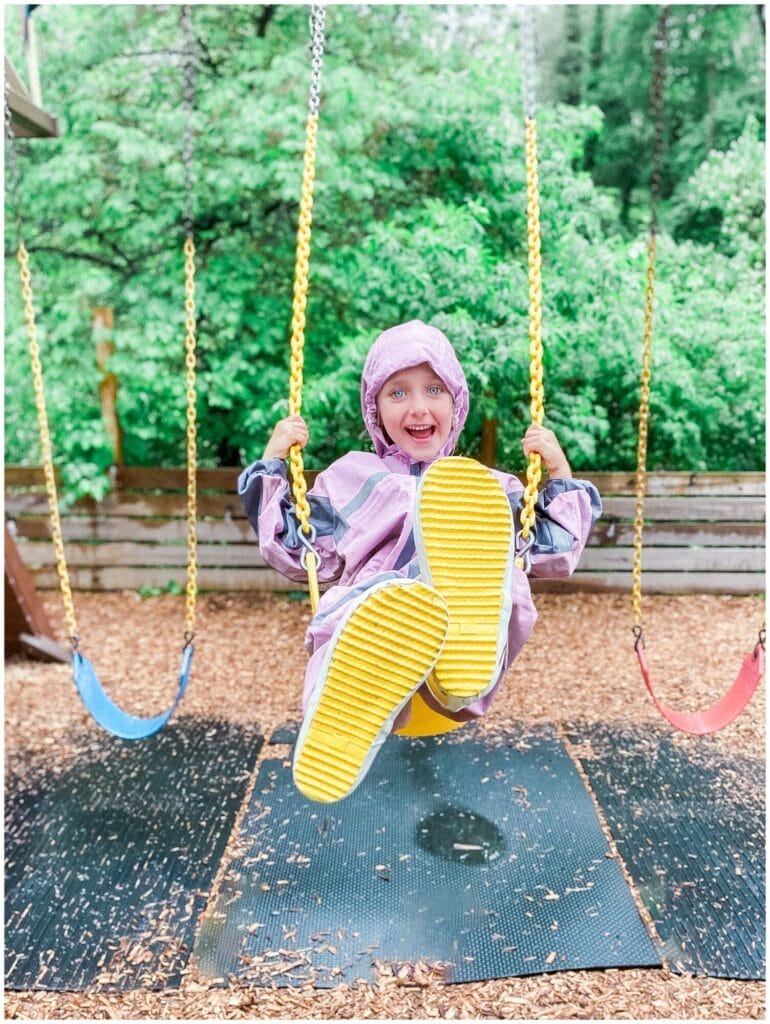
Some children simply cannot thrive sitting in a chair for six hours. Their bodies need movement. Their senses crave sunlight and fresh air. Their minds awaken when they climb, jump, build, and explore.
This is not a discipline issue. It is a design issue. Children were created to learn through movement and wonder, not through rigid schedules and constant indoor confinement.
A microschool or nature-based Christian school aligns with how God wired children’s brains, allowing academics to flourish because the nervous system is regulated.
If your child comes alive outdoors, imagine what their academics would look like if learning started there.
⸻
6. Your child is lost in the crowd—or shrinking inside it
In classrooms of 25–30 students, even the most attentive teacher cannot meet every emotional and academic need. Quiet children disappear. Sensitive children become overwhelmed. Gifted children become bored. Children who need individualized instruction rarely get it.
Parents often say, “I just want someone to actually see my child.”
A microschool with 10–15 students doesn’t just see your child—they know them deeply. What stresses them. What motivates them. What terrifies them. What lights them up. What God is doing in their heart. Small environments make children feel safe enough to be fully themselves.

⸻
7. Your child’s gifts are going unnoticed or un-nurtured
Traditional schools struggle to nurture gifts outside academic subjects—leadership, engineering intuition, artistic talent, storytelling, creativity, empathy, problem-solving.
Parents often say they feel like their child is a square peg being jammed into a round hole.
In a St. Louis Christian school like ours, gifts are not squeezed out—they are spotlighted.
A child who builds with sticks becomes the class engineer. A child with empathy becomes the natural helper. A child who loves nature becomes the resident explorer. A child who loves to teach becomes a peer mentor. God places gifts inside children for a reason. Schools should cultivate those gifts, not flatten them.
⸻
8. Your child struggles with attention—but thrives in hands-on learning
Many children labeled “distracted,” “off-task,” or “noncompliant” are actually incredibly bright—they just learn differently.
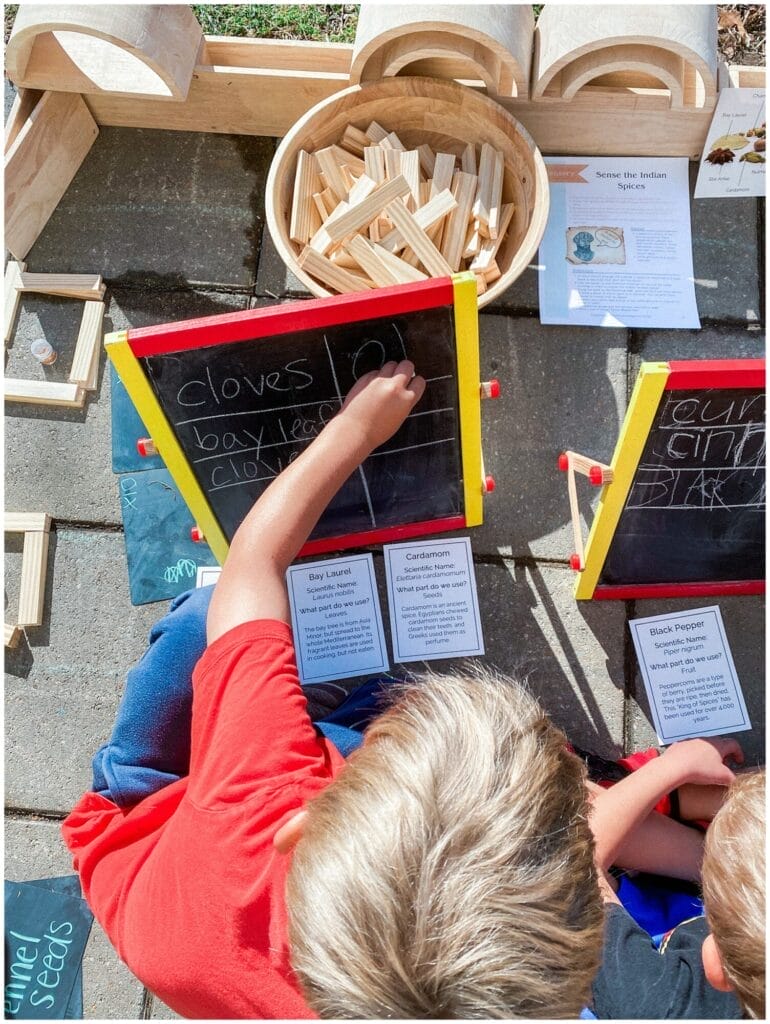
When learning is embodied—when children touch, build, climb, dig, measure, move—focus dramatically improves.
Parents often discover their “struggling learner” becomes highly capable in a private school alternative with a hands-on, nature-rich classroom. It isn’t that their child couldn’t learn. It’s that their child couldn’t learn in that environment. There is a profound difference.

⸻
9. You feel the Holy Spirit nudging you toward something more peaceful, more whole, more Christ-centered
Parenting is not only practical—it is spiritual. Sometimes the discomfort you feel about your child’s schooling is not anxiety but discernment. A holy invitation to consider something different. Many parents tell us they wrestled internally for months before touring Agape. They felt God calling them to explore a smaller, calmer, more intentional environment where discipleship, peace, and formation were as important as academics.
A St. Louis Christian school that prioritizes identity, virtue, leadership, and creation may be exactly what your heart has been sensing without words.
You cannot outrun God’s whisper. It follows you into the carpool line. Into the homework battles. Into the bedtime tears. Into your prayers. Sometimes the whisper becomes a conviction: “It’s time.”
⸻
10. You know your child was made for more than surviving
This is the sign that matters most. Maybe nothing dramatic has happened. Maybe the grades are fine. Maybe the teacher is kind. Maybe the behavior isn’t alarming. Maybe your child isn’t miserable—just… not thriving. But deep inside, you have a sense your child was made for more than coasting through childhood. More than following directions. More than memorizing facts. More than test prep. More than fitting into systems too big to see them. Your child was created to flourish.
To lead.
To worship.
To explore.
To think deeply.
To grow at their own pace.
To be formed spiritually, not just academically.
To be discipled, not managed. Microschools were built for children like yours.
⸻
If You Recognize Your Child in These Signs, You’re Not Alone
Parents across St. Louis are waking up to the same realization: “My child needs a different kind of school.” Not because something is wrong with their child— but because something is misaligned in the system.
A microschool, a private school alternative, or a St. Louis Christian school like Agape gives children what they cannot get in crowded classrooms: Peace. Presence. Purpose. Nature. Movement. Discipleship. Individualized learning. Identity in Christ. And a childhood worth remembering. If your heart is stirring as you read this, it may be God showing you the next step in your child’s story.
➡️ Schedule a tour at Agape Adventure Academy and see what a different kind of school can do for your child. They deserve to thrive. Not someday—now.